Cross Current Insurance Announces Partnership with SmartWaiver to Deliver Affordable Digital Waiver Solution for Guide Program Members
West Hartford, CT — March 18, 2026— Cross Current Insurance today announced a new partnership with Smartwaiver, a leading provider of digital waiver technology, to deliver an enhanced, cost‑effective waiver management solution to all members of its guide insurance program.
Guides have consistently shared that traditional paper waivers are cumbersome, inefficient, and difficult to store securely. At the same time, most digital waiver platforms cost between $20 and $60 per month, creating a barrier for most solo guides and small guiding operations. Cross Current Insurance has taken action to address these challenges while also meeting the evolving requirements of its insurance carriers.
As part of this initiative, a full-featured Smartwaiver account (an annual $250 value) is included as part of your guide and outfitter policy.
Program Implementation
Beginning immediately, a $20 annual technology fee will be included in all guide insurance quotes. This fee covers activation and ongoing maintenance of each guide’s Smartwaiver account. To ensure consistent risk management and compliance with carrier requirements, participation in this digital waiver program will be included automatically and will not offer an opt‑out option.
Why This Matters
The insurance carriers supporting Cross Current Insurance’s guide program require the use of liability waivers as a condition of coverage. Implementing a standardized digital waiver system ensures that guides can easily meet these requirements while benefiting from a more efficient and secure process.
Benefits for Guides
This initiative is designed to streamline operations and elevate the client experience. Key advantages include:
- Easy-to-use digital waivers clients can sign before their trip
- Reduced paperwork at docks, trailheads, lodges, and other field locations
- Secure digital storage of all signed waivers
- Fast, reliable retrieval of documentation when needed
- A more professional and seamless experience for clients
In addition to improving day-to-day operations for guides, the digital waiver system strengthens underwriting controls, helping Cross Current Insurance better manage risk and maintain competitive pricing across its guide insurance programs.
A Commitment to Supporting the Guiding Community
“Our goal is to make running a guiding business easier while reinforcing the long-term stability of our insurance program,” said Cross Current Insurance’s Managing Partner, Rollin Schuster. “This partnership with Smartwaiver reflects our commitment to delivering meaningful value and practical tools to the guides we serve.”
Guides with questions about Smartwaiver or assistance getting started are encouraged to start by watching Smartwaiver’s their Demo Video, or contact Cross Current Insurance directly.
A well-crafted liability waiver is one of the most important tools you can have to protect your business from legal claims and financial loss.
How Liability Waivers Protect Your Business
- Reduces Legal Exposure – A waiver can serve as a first line of defense in case of an accident, limiting your liability and deterring lawsuits.
- Educates Clients on Risks – By requiring clients to acknowledge the dangers, they are more likely to take safety precautions seriously.
- Strengthens Your Legal Standing – While not foolproof, a well-written waiver can provide substantial protection in court by proving that clients were aware of and accepted the risks involved.
- Builds Professionalism and Trust – Having clear policies and procedures demonstrates to clients that you take their safety—and your business—seriously.
Why You Should Not Use AI to Write a Liability Waiver
While AI can be a helpful tool for drafting content, it should not be relied upon to create a legally binding liability waiver for your guide business. Here’s why:
- Legal Complexity – Liability waivers must be carefully worded to comply with state and federal laws, which can vary significantly. AI-generated content may not take these nuances into account.
- Lack of Legal Expertise – AI cannot replace the expertise of a professional attorney who understands liability law and the unique risks associated with guiding outdoor activities.
- Potential Invalidity – A poorly written waiver may not hold up in court, leaving your business vulnerable to lawsuits and financial losses.
- Failure to Address Specific Risks – AI-generated waivers may miss critical details that are essential to your specific guiding operations, leading to gaps in protection.
For these reasons, it’s essential to work with a qualified attorney who can draft a waiver tailored to your business and the laws in your jurisdiction.

Why You Shouldn’t Use a Waiver You Found on Google
It may be tempting to search for a liability waiver online and use a generic template, but this can be a dangerous mistake. Here’s why:
- Not Tailored to Your Business – A waiver you find online may not address the specific risks involved in your guiding activities, leaving gaps in protection.
- May Not Comply with Local Laws – Different states and countries have varying legal requirements for waivers. A generic template may not be enforceable in your jurisdiction.
- Potentially Outdated – Laws and regulations change over time. A waiver found through a simple search may be outdated and fail to meet current legal standards.
- Unclear or Poorly Written – Many free templates are vague, overly broad, or use incorrect legal language, making them ineffective in court.
For maximum protection, always consult with a legal professional to ensure your waiver is comprehensive, legally sound, and customized to your business needs.
Final Thoughts
As a fishing, hunting or outdoor adventure guide, your priority is providing an incredible experience while keeping your clients safe. A comprehensive liability waiver helps protect your business from unnecessary legal risks, allowing you to focus on what you do best—delivering world-class outdoor adventures. Ensure that your waiver is professionally drafted and tailored to your specific guiding activities to maximize its effectiveness.
By implementing strong liability protections, you can continue to share your passion for the outdoors with confidence and peace of mind.
=======







 Recognized as a leader in the fishing industry for insurance
 The awards are presented by The Fly Fishing Show, Angling Trade and Fly Fusion Magazine, and serve to recognize and celebrate the outstanding businesses that continually improve the angling experience. Winners are chosen by fly-fishing consumers from across the United States at the many Fly Fishing Show events. The awards are free to enter and entry is open to all Fly Fishing Show Exhibitors that create original products for the industry.
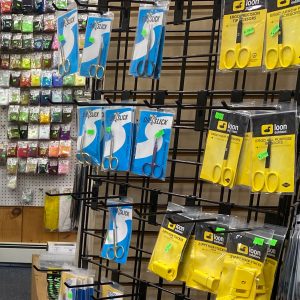 Why are shop owners losing their insurance?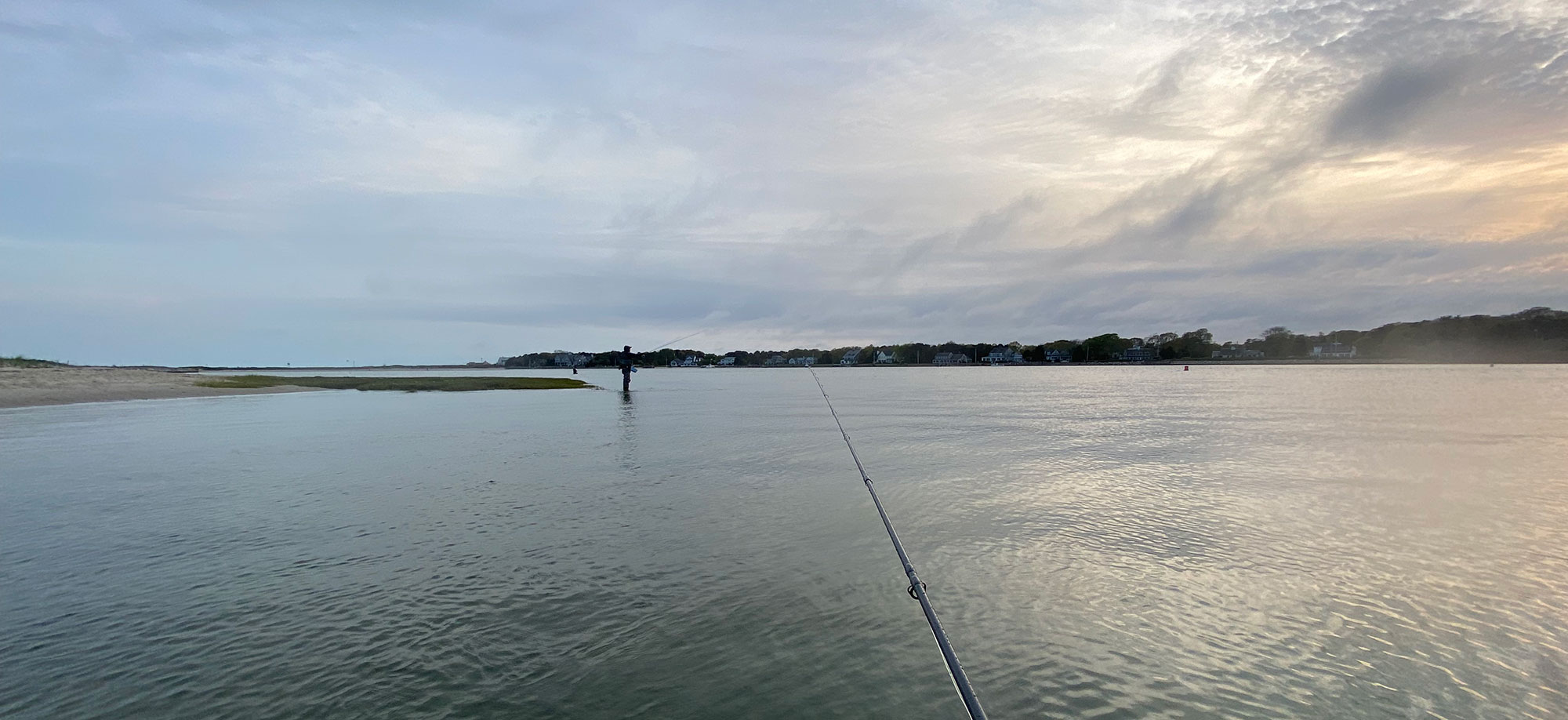
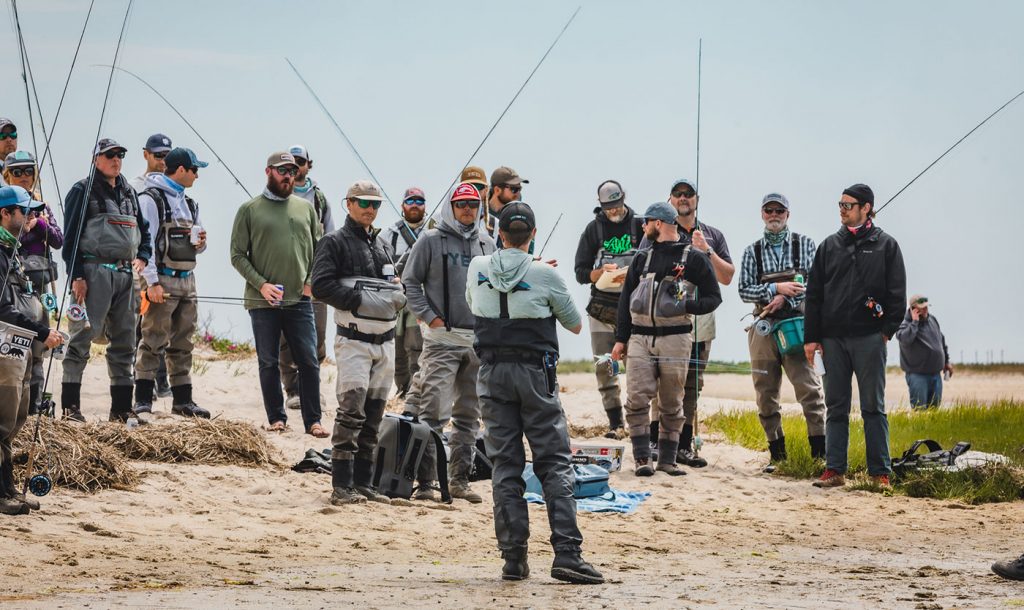
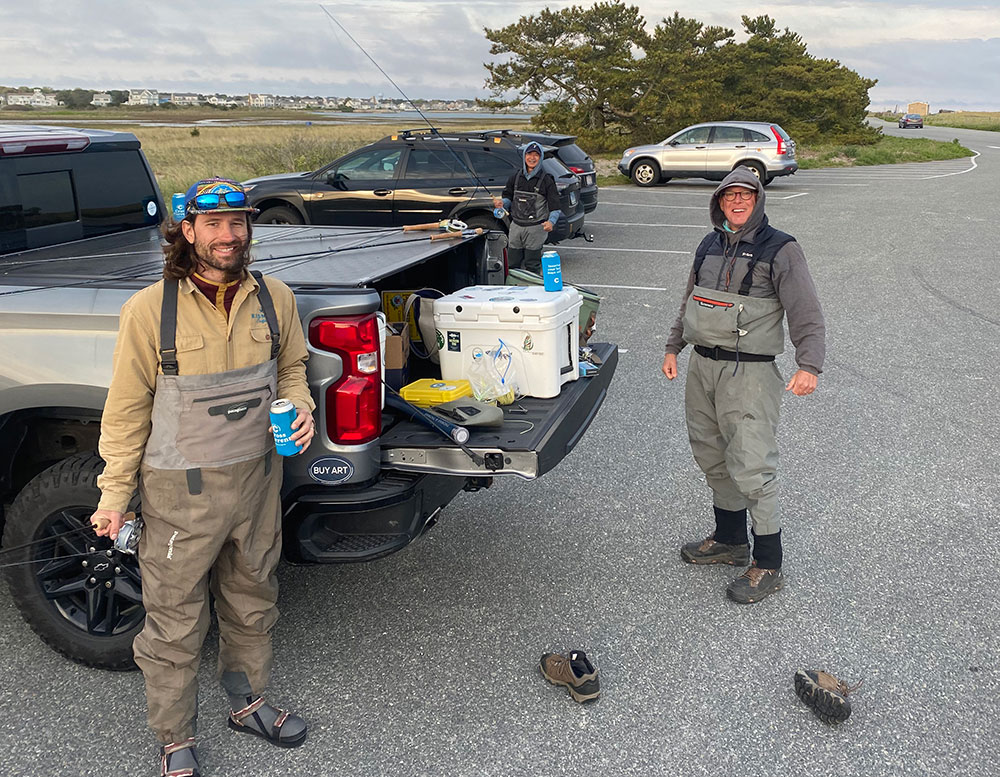
 Thursday kicked off with a free women’s event hosted by Cheeky and Cross Current Ambassador Abbie Schuster at West Dennis Beach. It was a space for all female-identifying anglers participating in Schoolie to connect with the women’s fly fishing community.